Supermarkets have complex operating conditions. Fresh food sections carry high moisture, floors often have water spills, back storage areas accumulate dust, and shopping trolleys or cargo boxes may easily hit light fixtures. Ordinary indoor lights suffer high failure rates, while fits retail supermarket scenarios perfectly. With years of experience in lighting foreign trade, I will break down the main reasons why they work well for supermarkets.
1. Protection Performance for Multiple Zones in Supermarkets
A supermarket is not merely a dry indoor space. Fresh food cold display zones, back storage rooms and loading zones face moisture, water splashes and dust buildup. features a dependable sealed structure, resisting water rinsing during cleaning and splashes from food liquids, and keeps dust out of the fixture. Its IP65 rating handles routine cleaning water sprays and prevents short circuits caused by moisture intrusion, ideal for fresh food zones and back-of-house warehouses.
2. High CRI and Uniform Lighting to Boost Merchandise Display
The core goal of supermarket lighting is to restore the true colours of ingredients and attract shoppers. Quality tri-proof lights deliver a high colour rendering index, soft and even light, and good glare control, making fruits, vegetables and meat look fresher. Compared with old fluorescent lights,have lower lumen depreciation, so brightness will not drop rapidly during long opening hours and maintain consistent display effects all day. Multiple colour temperature options are available for different sections such as fresh meat, fruit and vegetable aisles and general shelving.
3. Energy Saving and Long Lifespan to Cut Supermarket Operating Costs
Supermarkets usually stay open for long hours every day, so electricity bills are an ongoing expense. LED solutions consume far less power than traditional lighting and have a longer service life, greatly reducing labour and material costs from frequent lamp replacement. Back-of-house zones in supermarkets have relatively high ceilings, making lamp replacement time-consuming. Durable fixtures drastically cut maintenance frequency and offer outstanding total cost-of-ownership benefits for overseas retail chain supermarket projects.
4. Impact Resistance for High Foot Traffic and Material Handling
Shopping carts, forklifts and plastic crates move frequently inside supermarkets, creating risks of accidental knocks to lights. These fixtures have tough housings with reliable impact resistance and are not easy to shatter. Even after impact, no broken glass fragments will scatter, avoiding food safety hazards. Food retailers have strict safety standards, which is a key factor many buyers value highly.
5. Compliance and Flexible Matching Options
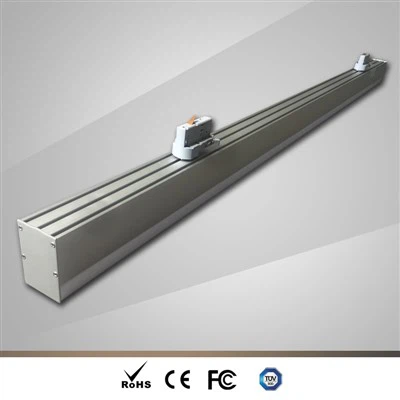
For overseas supermarket export projects, confirm certifications such as CE and RoHS in advance. If the project requires power-failure safety functions, you can add to meet local fire codes for retail premises. The fixtures support flexible mounting options, including surface mounting and suspension, suitable for sales floors, cold storage storage rooms and receiving areas.
6. Sourcing Pitfall Reminder
Do not use standard indoor LED lights in moist fresh food areas. While they seem cheaper at first, maintenance costs will surge later. During selection, focus on CRI, protection rating and low-temperature performance. For areas close to cold display cases, verify the fixture's resistance to condensation.
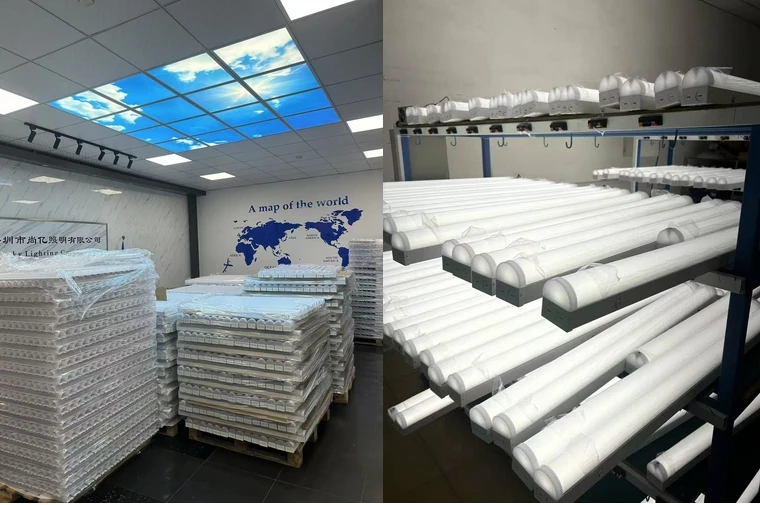
In summary, from fresh food counters to back warehouses, LED tri-proof lights have become a popular choice for overseas supermarket projects thanks to waterproof, dustproof, high colour rendering and low-maintenance features.
If you are handling a supermarket lighting project and unsure about wattage and colour temperature combinations for different zones, send your store layout to me. I can run illuminance simulation and match the right lighting solution.